Al-Mustaqbal University Advances International Academic Exposure through Student Mobility Program
ايمان محمد مهدي
22-05-2026


In line with its strategic vision aimed at strengthening international engagement and developing a high-quality, globally oriented academic environment, Al-Mustaqbal University continues to consolidate its academic presence by expanding its scientific and student programs and enhancing its international participation, reflecting its commitment to building a sustainable education model based on quality and innovation.
In this context, the University delegated a group of its students to participate in a scientific and cultural training program hosted by Alanya Alaaddin Keykubat University, aimed at developing their academic and cultural skills, broadening their intellectual horizons, and enabling them to engage with leading global educational experiences that enhance their competitiveness.
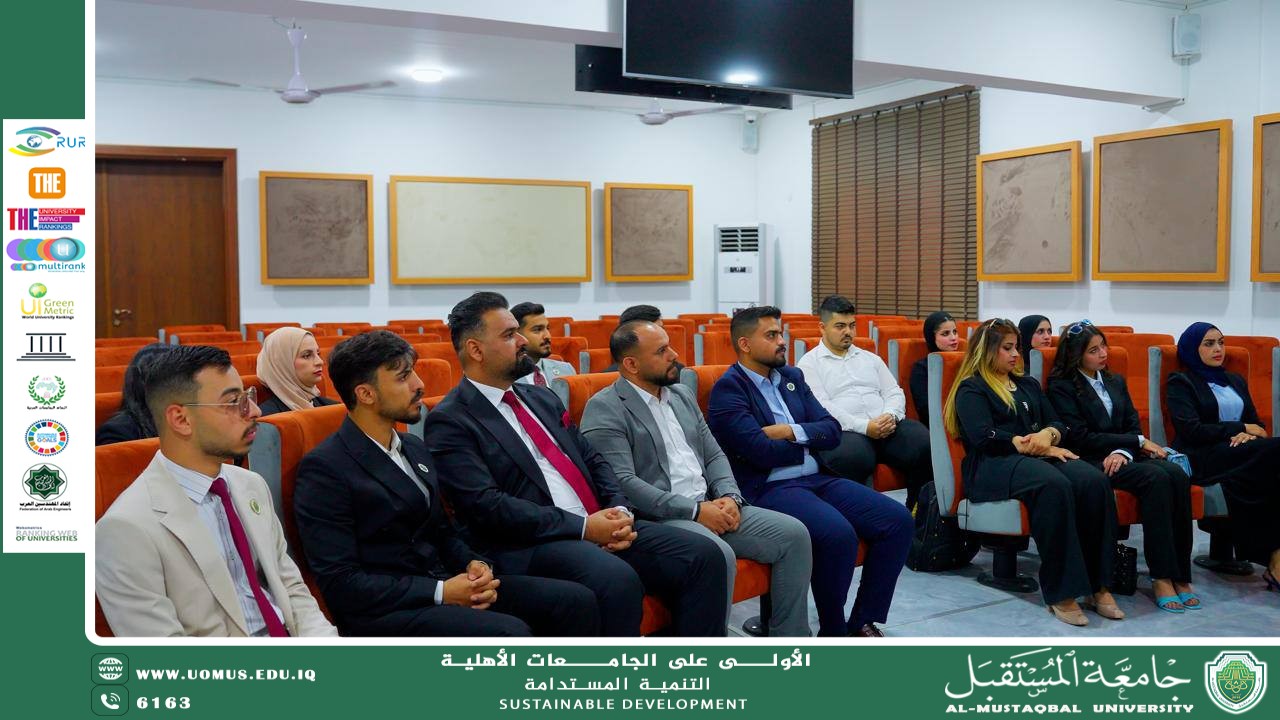
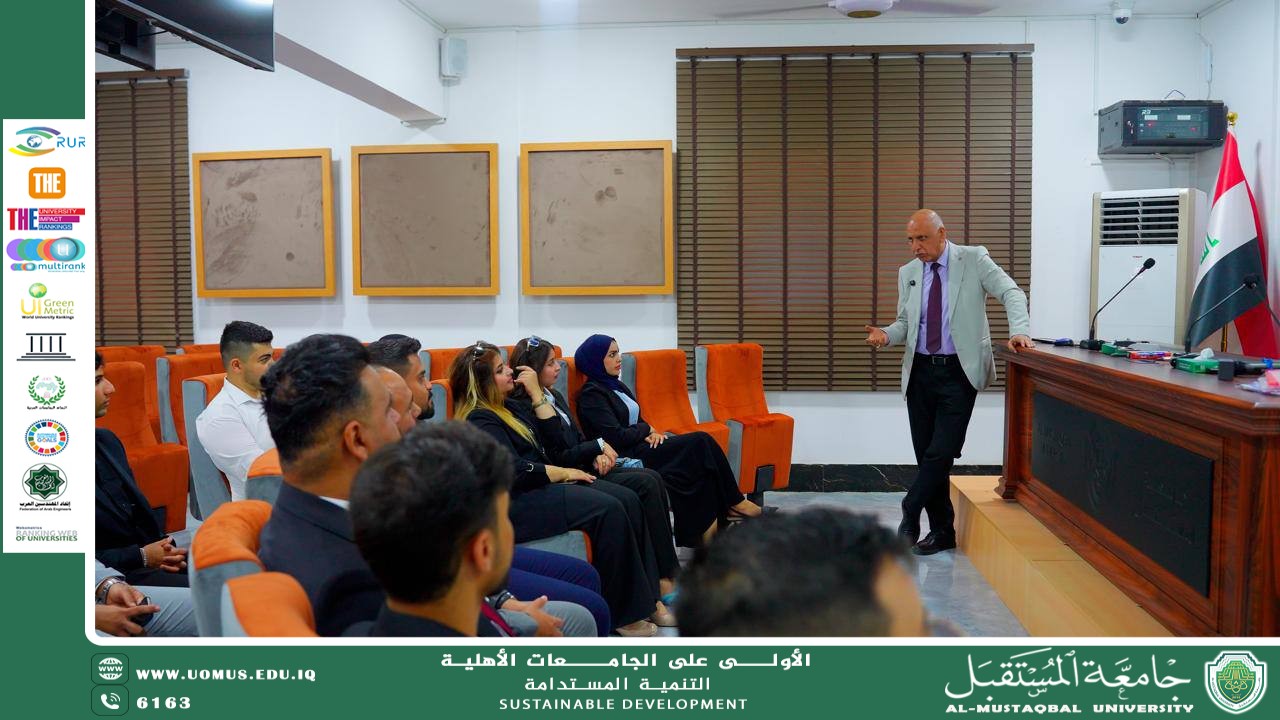
Upon their return, the University President, Professor Dr. Hassan Shaker Majdi, met with the participating students, where they were honored during the ninth session of the University Council in recognition of their participation and their distinguished representation of the University in this international program, as well as the academic level they demonstrated, which reflects the competence of Al-Mustaqbal University students in international forums.
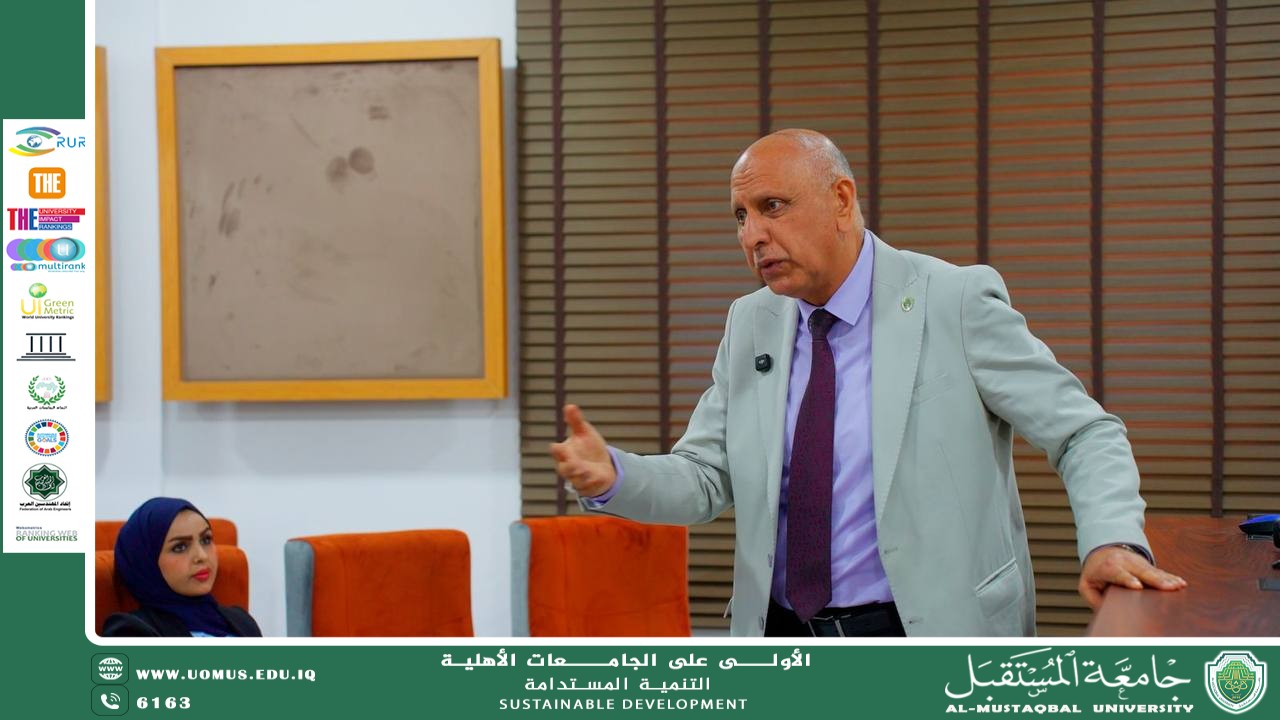
In addition, the Director of Scientific and Academic Supervision, Professor Dr. Muthaffar Sadiq Al-Zuhairi, met with the student delegation, emphasizing the importance of utilizing the outcomes of the program and transferring the acquired knowledge and experience to the University’s academic environment, thereby contributing to fostering a culture of continuous learning and knowledge exchange among students.
Al-Zuhairi stressed the continuous support of the University Presidency for qualitative initiatives that contribute to enhancing academic ranking and institutional reputation at both local and international levels, highlighting the importance of sustained academic communication with the host university and the exchange of expertise and success stories to further strengthen academic openness.
The participating students expressed their appreciation for this training opportunity, noting that it represented a valuable scientific and cultural experience that contributed to the development of their skills and academic confidence. They also extended their gratitude to the University administration for its continuous support and commitment to providing high-quality opportunities that prepare a generation capable of competing globally.
This participation aligns with the Sustainable Development Goals (SDGs), particularly Goal 4: Quality Education, through enhancing educational quality and providing international learning opportunities; Goal 9: Industry, Innovation and Infrastructure, by supporting capacity building and modern skills development; and Goal 17: Partnerships for the Goals, through strengthening international academic cooperation and knowledge exchange with global educational institutions.