Al-Mustaqbal University Expands Its International Academic Partnerships through Forensic Training at Razi University
ايمان محمد مهدي
27-09-2026
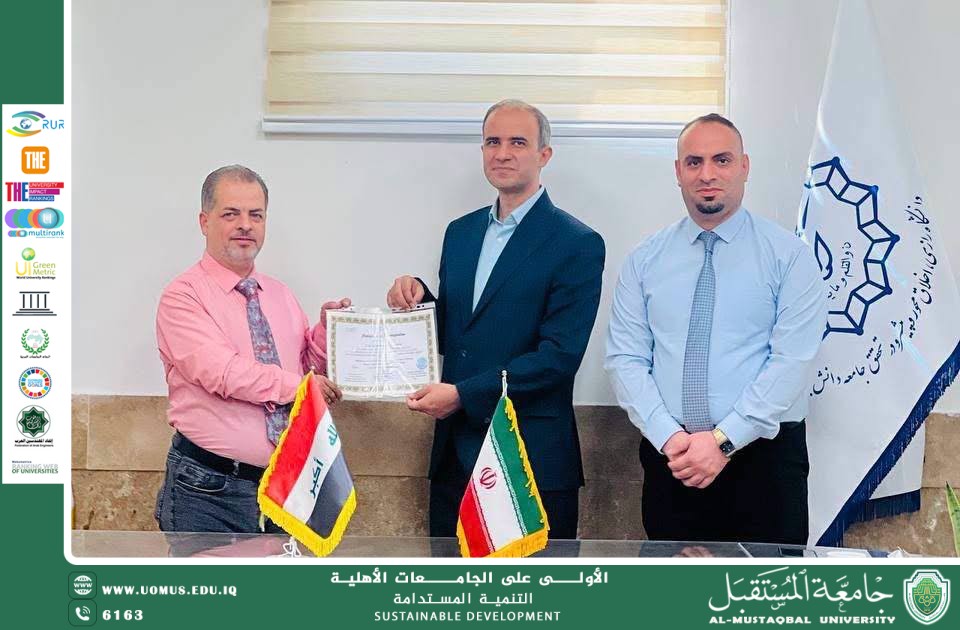


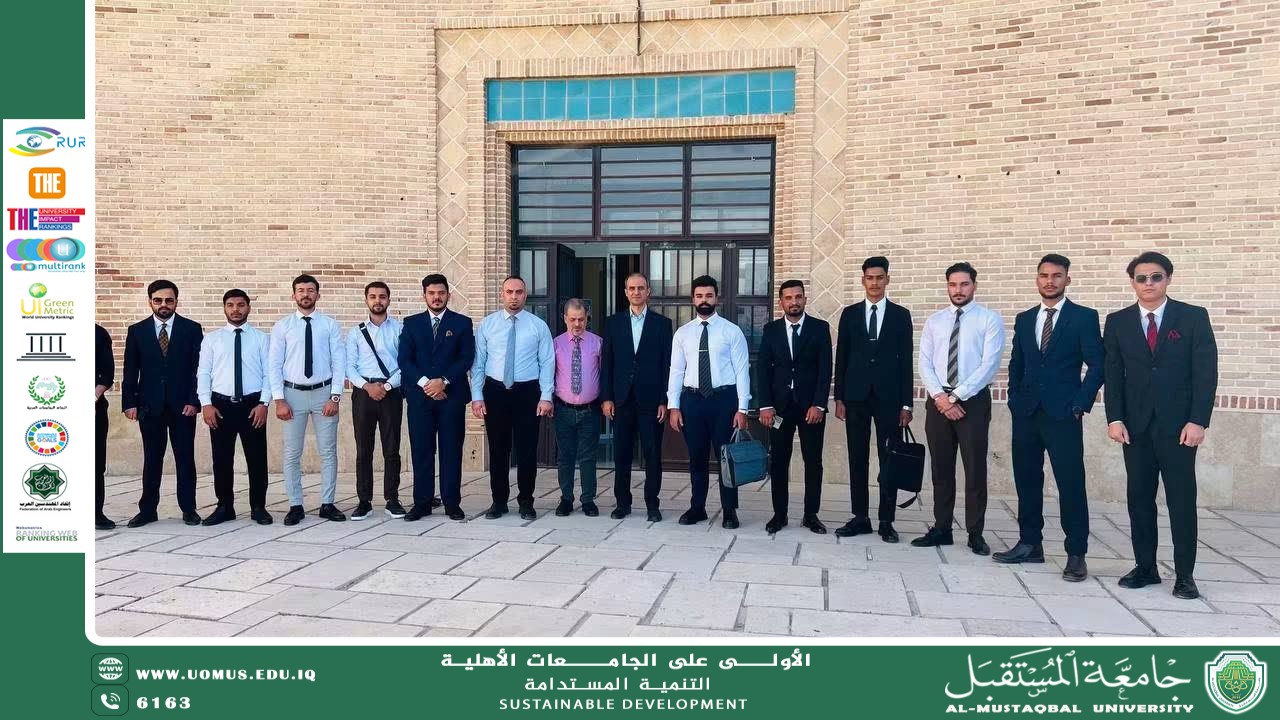
The specialized development course for students of the College of Science – Department of Forensic Evidence at Al-Mustaqbal University has concluded at Razi University in Kermanshah, Iran, in an academic setting that reflects the importance of international scientific cooperation and the exchange of expertise between higher education institutions.
The closing day featured the distribution of officially recognized Certificates of Participation, signed by the International Affairs Office and the Department of Life Sciences at Razi University, in recognition of the students’ successful completion of the 12-hour training programme, entitled:
“From Crime Scene to Laboratory: Applying the Life Sciences to Forensic Analysis”
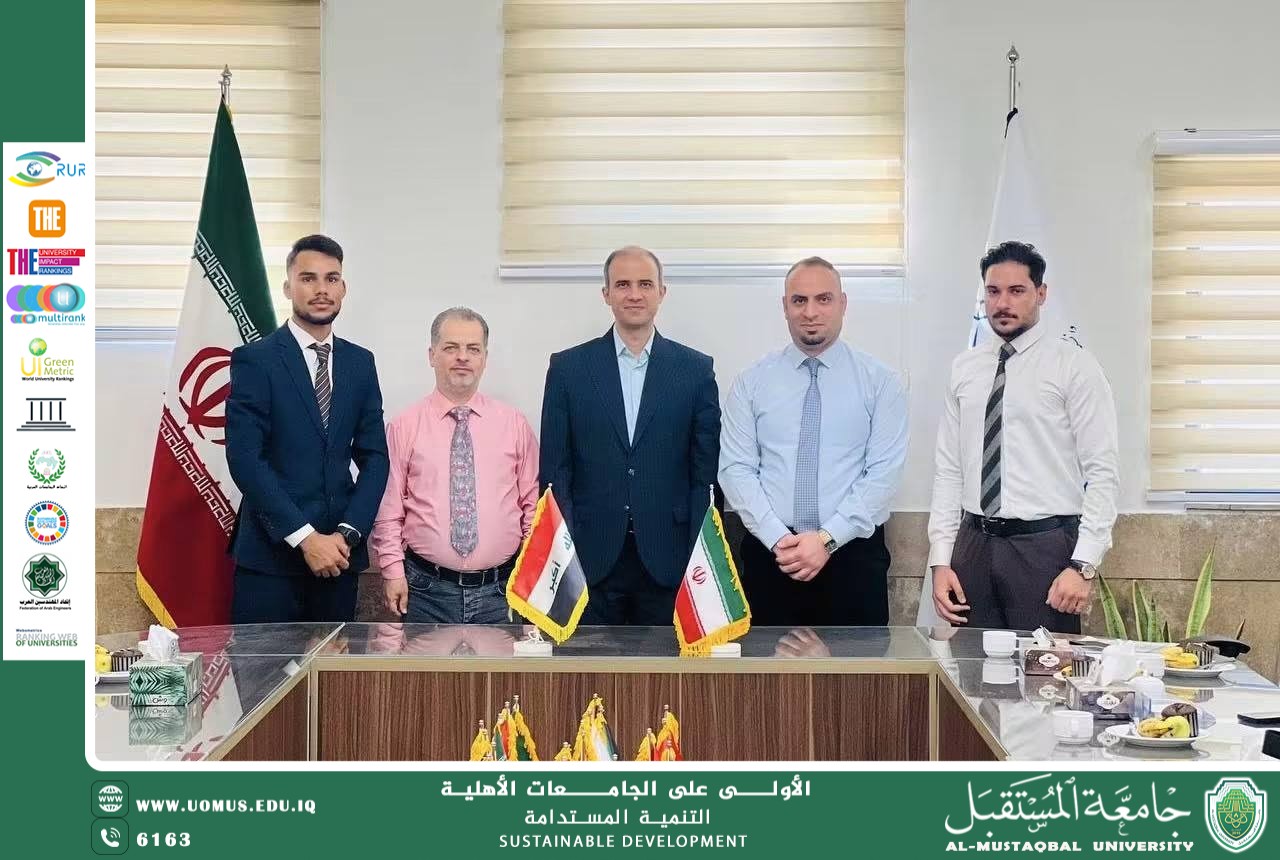
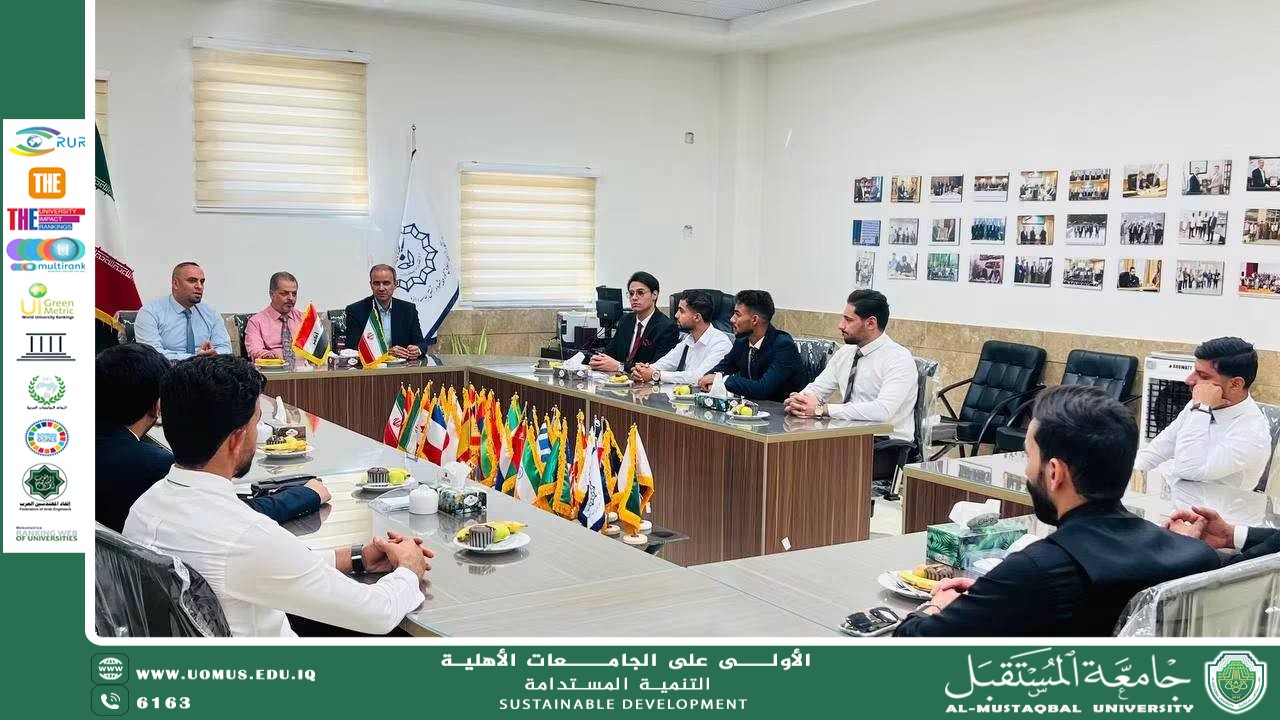
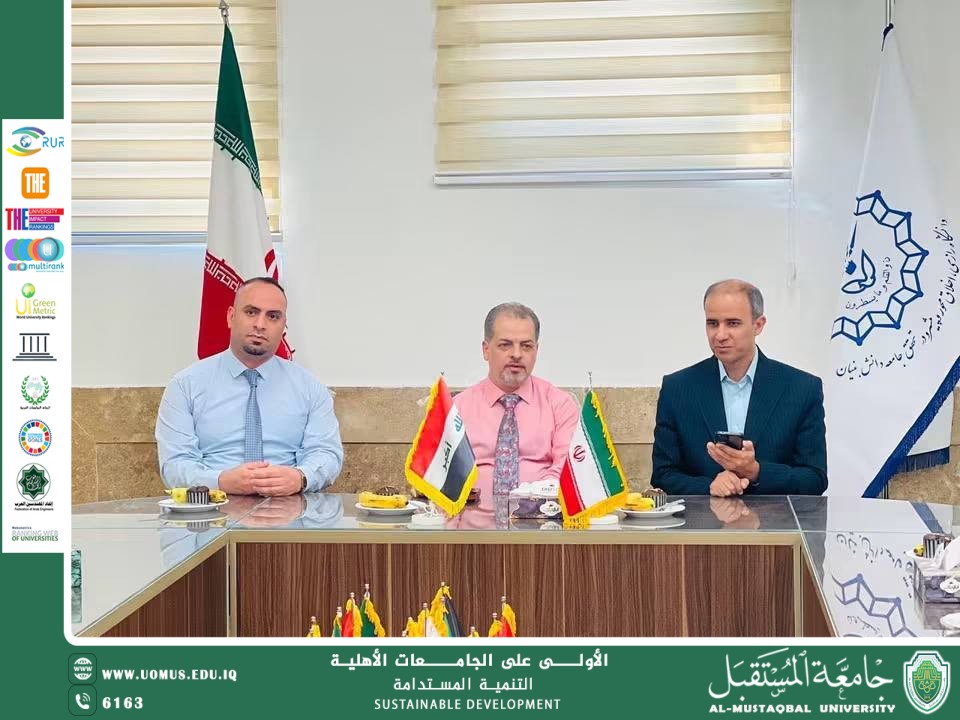
On the occasion, an expanded meeting was held with the participation of Prof. Dr. Shahab Moradkhani, Director of the International Affairs Office at Razi University; Prof. Dr. Dhargham Ali Abbas, Head of the Department of Forensic Evidence at Al-Mustaqbal University; and Dr. Maytham Nabeel Miqdad, Rapporteur of the Department of Smart Medical Systems and Coordinator and Supervisor of the Training Course, along with the participating students.
The meeting provided an opportunity for direct dialogue with the students to hear their feedback and impressions regarding the training programme and laboratory experience. The participants also discussed their suggestions and ideas for developing future scientific programmes and initiatives.
The meeting further featured expressions of welcome, appreciation, and gratitude. Dr. Shahab Moradkhani praised the high level of commitment and academic performance demonstrated by Al-Mustaqbal University students throughout the course. In turn, the Iraqi delegation expressed its sincere appreciation to Razi University and its International Affairs Office for their warm hospitality, professional organization, and support throughout the training programme.
The course forms part of Al-Mustaqbal University’s commitment to strengthening international academic cooperation and providing students with specialized educational and training opportunities. Such programmes contribute to developing students’ scientific and practical competencies, broadening their experience in emerging fields, and enhancing their capabilities in line with the requirements of their specializations and the labour market.
The programme contributes to several United Nations Sustainable Development Goals (SDGs), particularly:
SDG 4: Quality Education – by providing specialized training and scientific applications that enhance students’ knowledge and practical skills.
SDG 9: Industry, Innovation and Infrastructure – by promoting applied scientific knowledge and the use of modern life sciences in forensic analysis.
SDG 17: Partnerships for the Goals – by strengthening international academic and scientific cooperation between Al-Mustaqbal University and Razi University.