Al-Mustaqbal University Strengthens Its Role as a National Partner in Climate Action through Participation in the Development of the NDC Document
ايمان محمد مهدي
29-08-2026
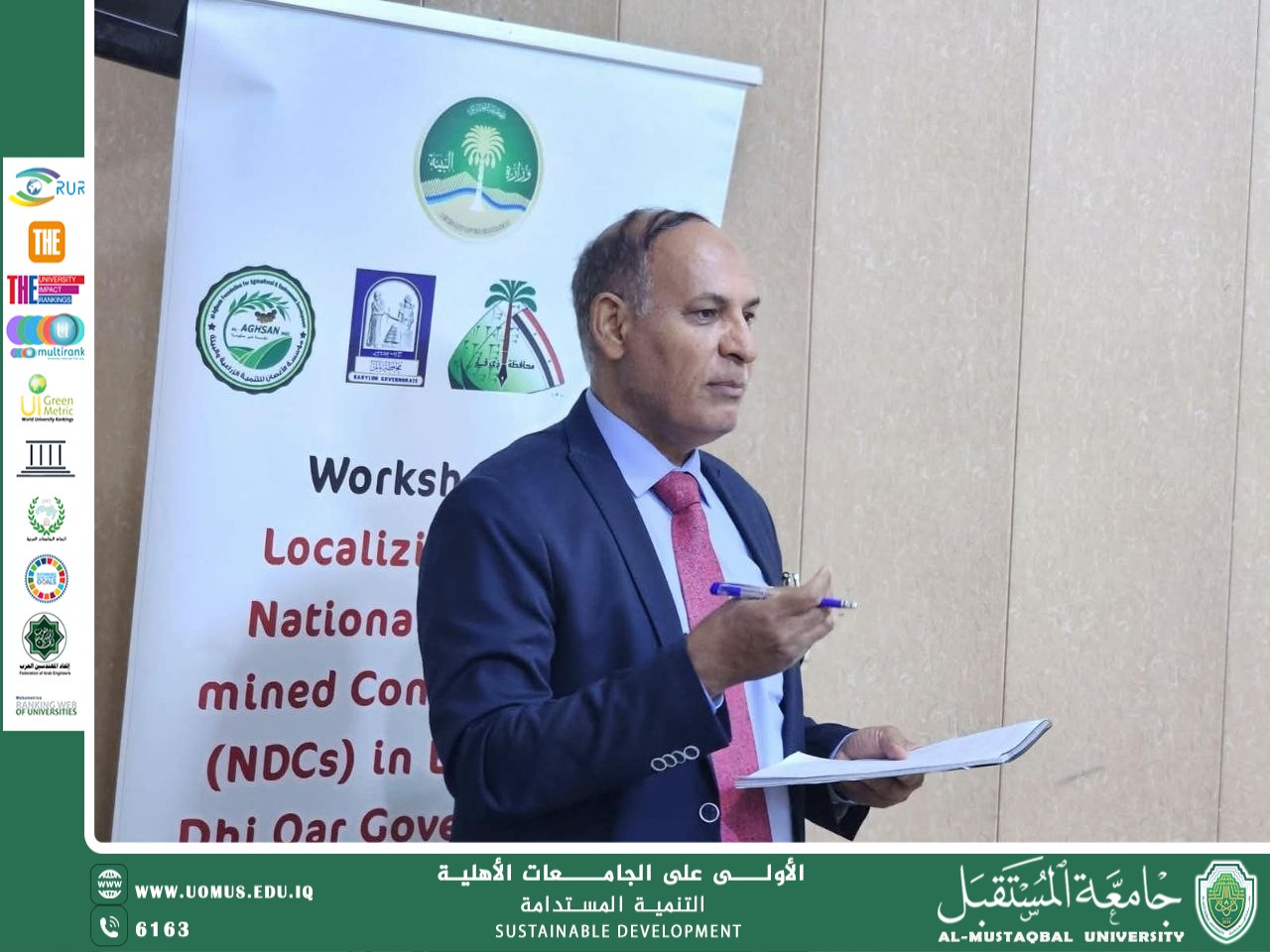


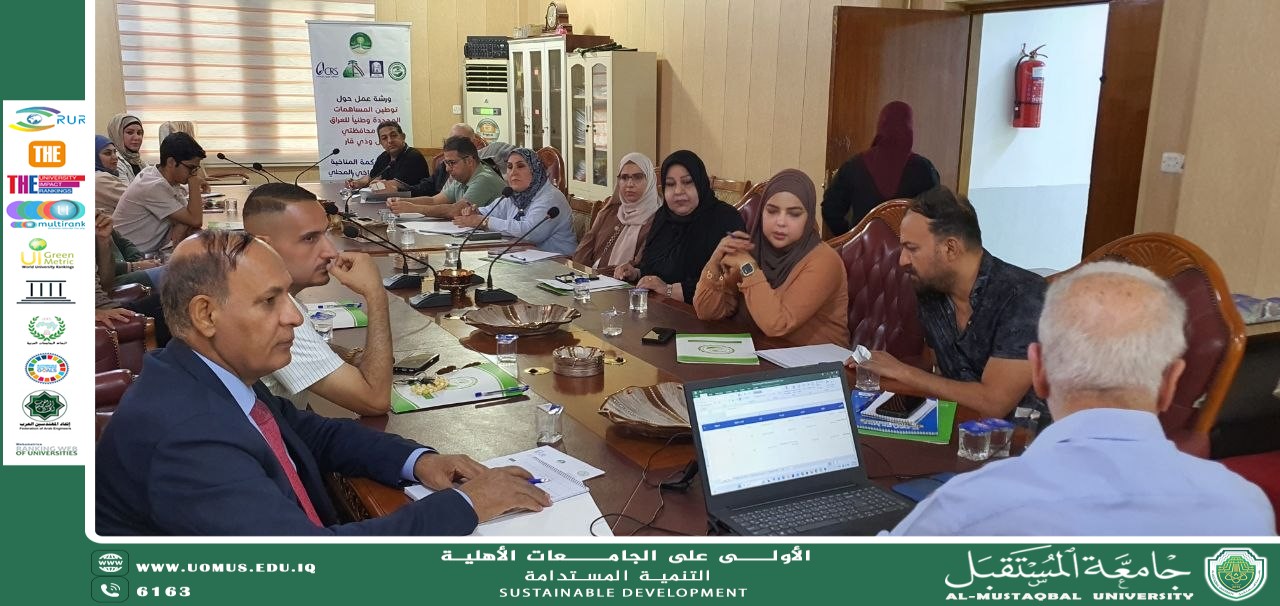
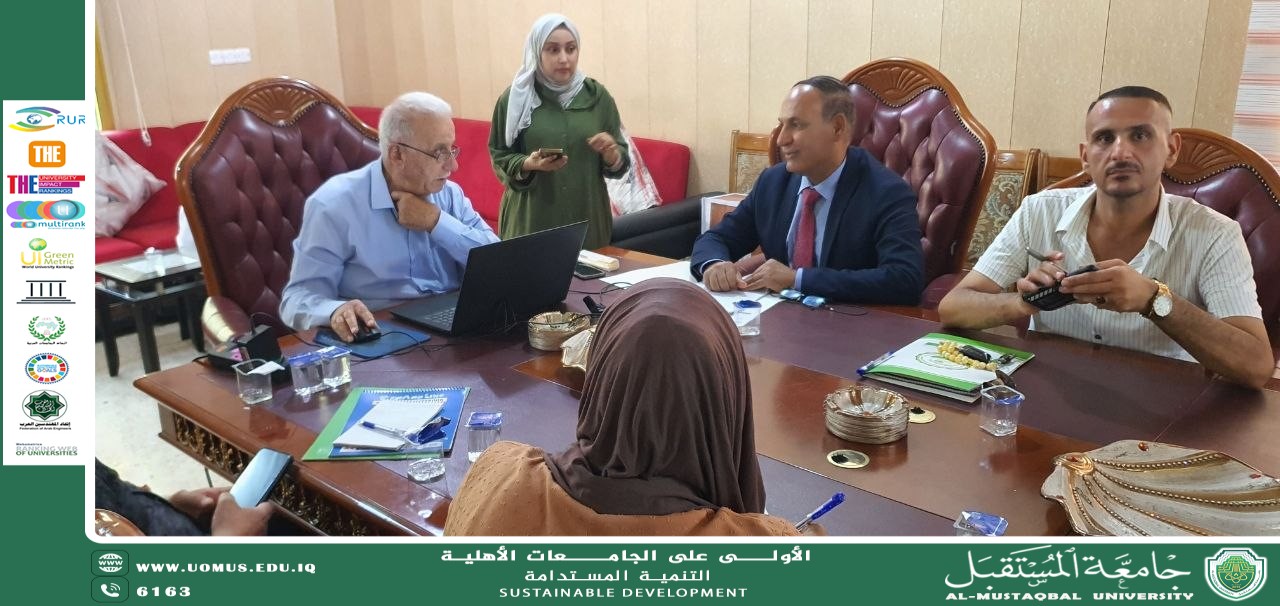
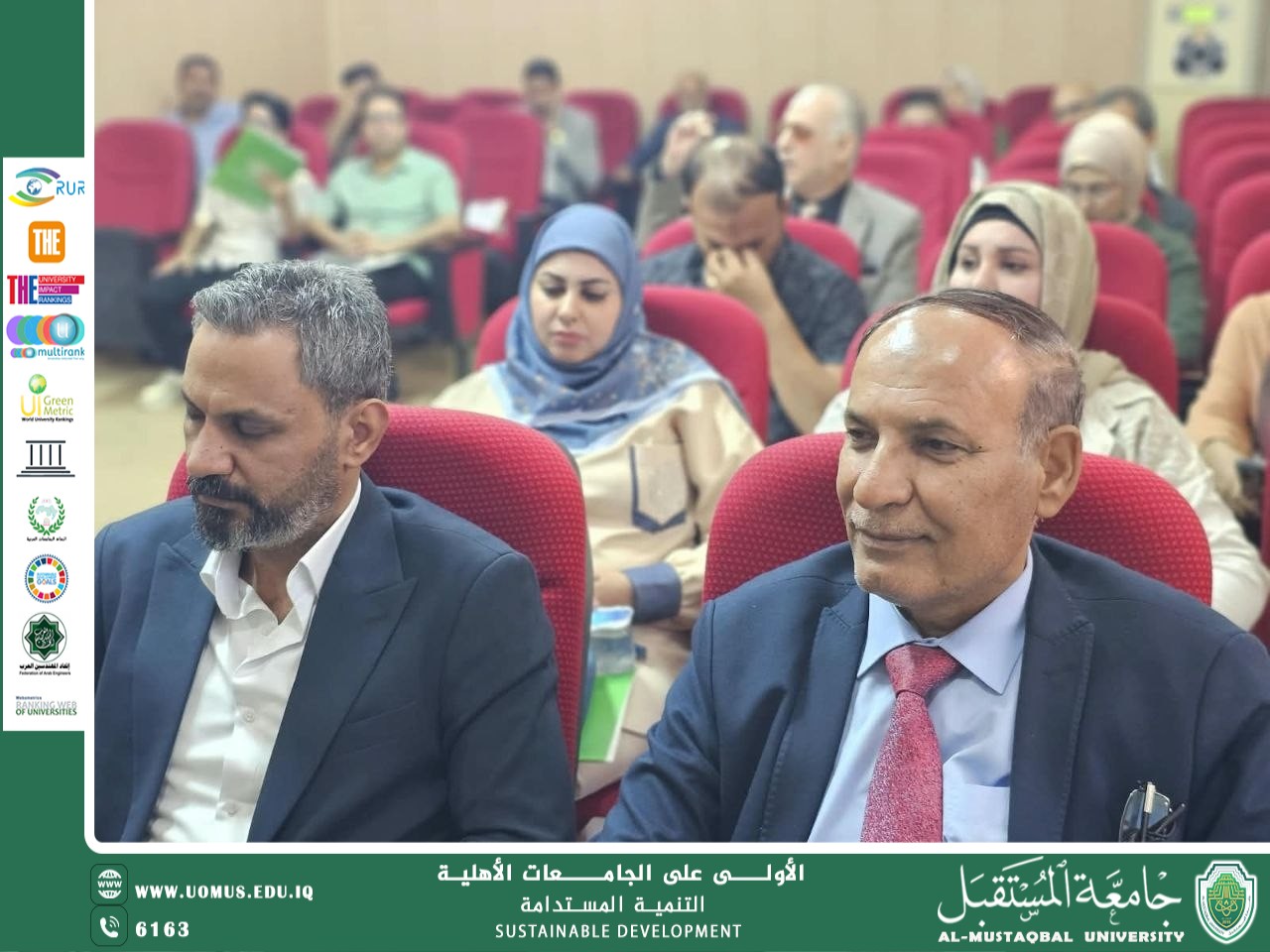
As part of its commitment to strengthening the active role of Iraqi universities in supporting national efforts to address climate change and advance sustainable development, Al-Mustaqbal University participated in a workshop on the Development of Iraq’s Nationally Determined Contributions (NDC) Document to Address Climate Change. The workshop was held at the College of Science for Women at the University of Babylon, with the participation of several institutions and organizations concerned with climate action and sustainable development.
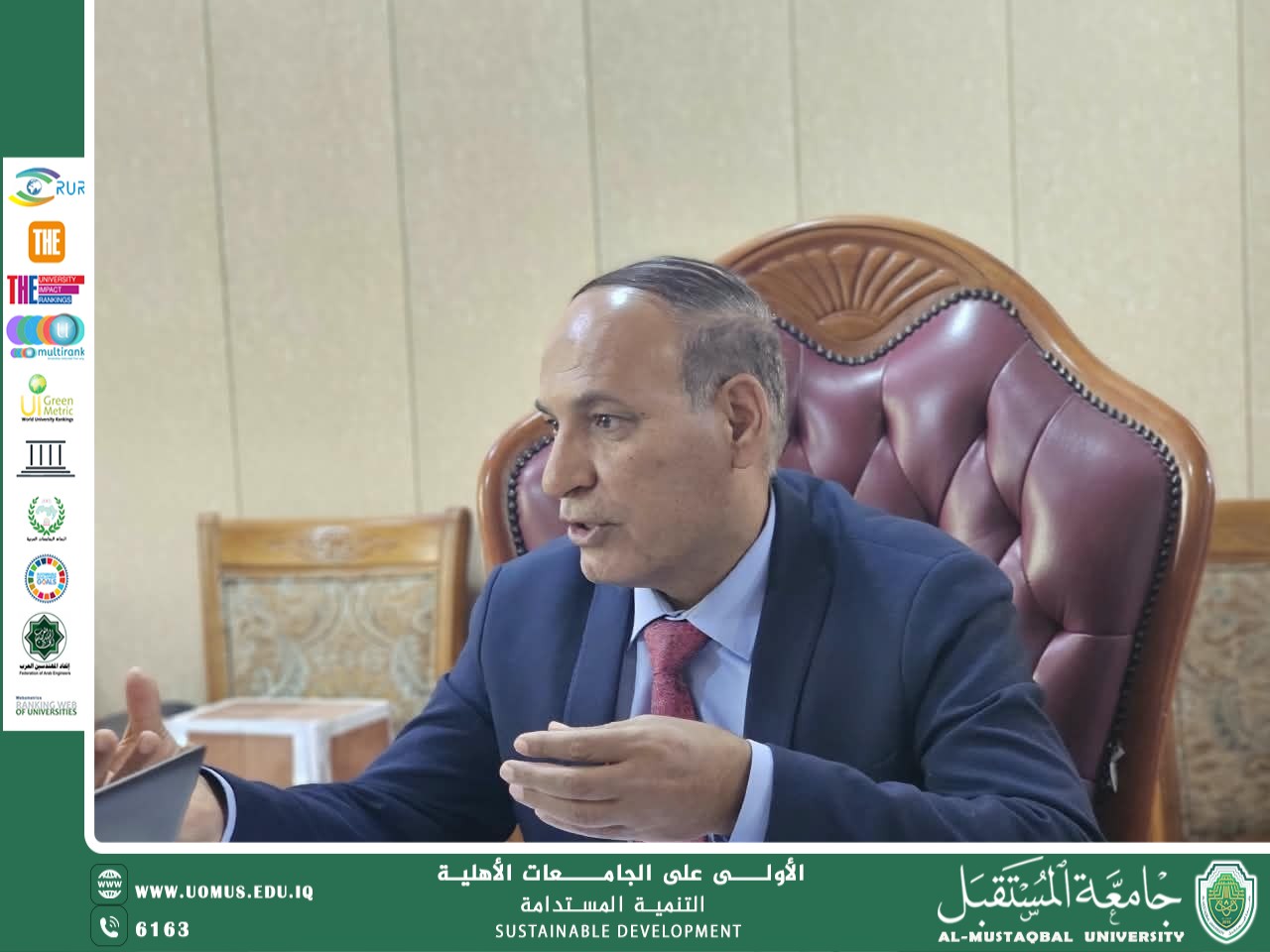
Al-Mustaqbal University was represented at the workshop by Mr. Khalid Kadhim Al-Salihi, Director of the Sustainable Development Division. The University's participation reaffirmed its commitment to supporting national climate action priorities and strengthening the role of academic institutions as active partners in developing solutions and strategies aimed at building a more resilient and sustainable future.
The workshop addressed the key components of the Nationally Determined Contributions, particularly climate change adaptation policies and mitigation policies, in addition to cross-cutting issues between the two approaches. Discussions emphasized the importance of integrating measures aimed at strengthening the capacity of communities and various sectors to adapt to climate-related risks with efforts to reduce the drivers and impacts of climate change.
The workshop also provided an important platform for dialogue and the exchange of perspectives on Iraq’s climate priorities and the importance of translating national policies and strategies into practical actions and programmes that take into account local circumstances and needs, particularly in governorates facing increasing environmental and climate challenges, including Babylon Governorate.
During his participation, the Director of the Sustainable Development Division at Al-Mustaqbal University presented an integrated vision of the role universities can play in addressing climate challenges. He emphasized that higher education institutions constitute a fundamental pillar of climate action, given their scientific and research capabilities and their young human resources, which have the potential to generate knowledge, develop innovative solutions, and raise environmental and climate awareness within society.
The vision also highlighted the importance of strengthening the role of universities as active partners in implementing adaptation and mitigation policies by directing scientific research towards addressing climate challenges, developing sustainable technologies and solutions, improving the efficiency of energy, water, and resource use, and promoting green practices both within and beyond university campuses. It also emphasized the importance of preparing students with the knowledge and skills required to contribute to the transition towards a green economy and a more sustainable society.
Mr. Khalid Kadhim Al-Salihi noted that this participation comes in line with the directives of the President of Al-Mustaqbal University, Professor Dr. Hassan Shaker Majidi, regarding the importance of strengthening partnerships between the University, local government, sectoral institutions, the private sector, and civil society organizations. He emphasized the need to reinforce the concept of the University as a national partner in developing climate and development solutions, rather than merely an educational institution.
He further explained that this approach contributes to transforming academic knowledge and expertise into practical climate projects and initiatives, while strengthening the capacity of local communities to respond to the current and future impacts of climate change. This supports Iraq’s transition towards a more resilient, adaptive, and sustainable future.
Al-Mustaqbal University’s participation in the workshop aligns with the United Nations Sustainable Development Goals (SDGs), particularly SDG 13: Climate Action, by supporting national efforts to adapt to climate change and mitigate its impacts; SDG 6: Clean Water and Sanitation, through promoting efficient water resource management; and SDG 7: Affordable and Clean Energy, by supporting energy efficiency and sustainable solutions.
The initiative also contributes to SDG 11: Sustainable Cities and Communities, by strengthening the capacity of local communities to address environmental and climate-related risks; SDG 4: Quality Education, through developing climate-related knowledge and capacities among students and the wider community; and SDG 17: Partnerships for the Goals, by strengthening cooperation among universities, government institutions, the private sector, and civil society in support of climate action.
Through its participation in this workshop, Al-Mustaqbal University reaffirms its commitment to advancing climate action and sustainable development, utilizing its academic, research, and youth capabilities to support national priorities and contribute to developing locally relevant solutions to climate challenges, thereby supporting Iraq’s transition towards a more sustainable and resilient future.