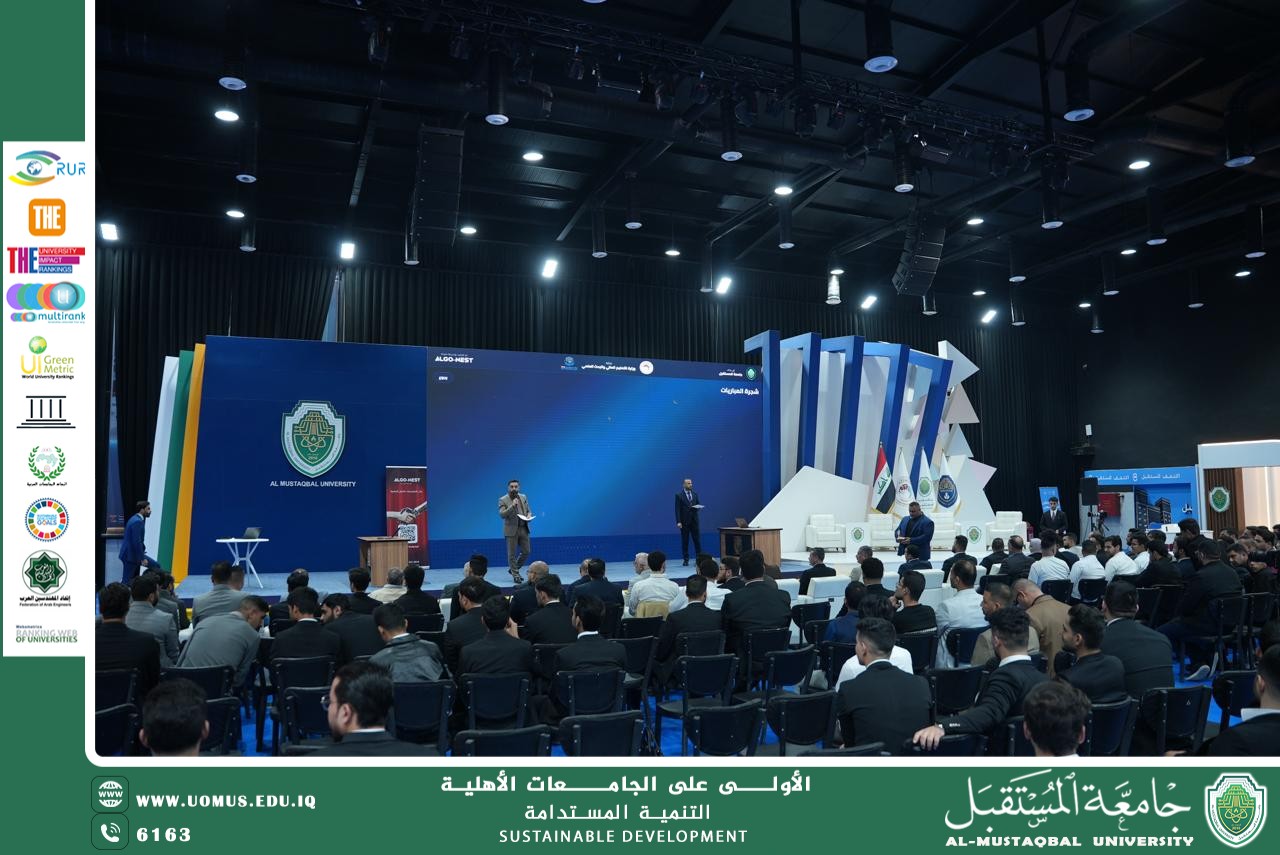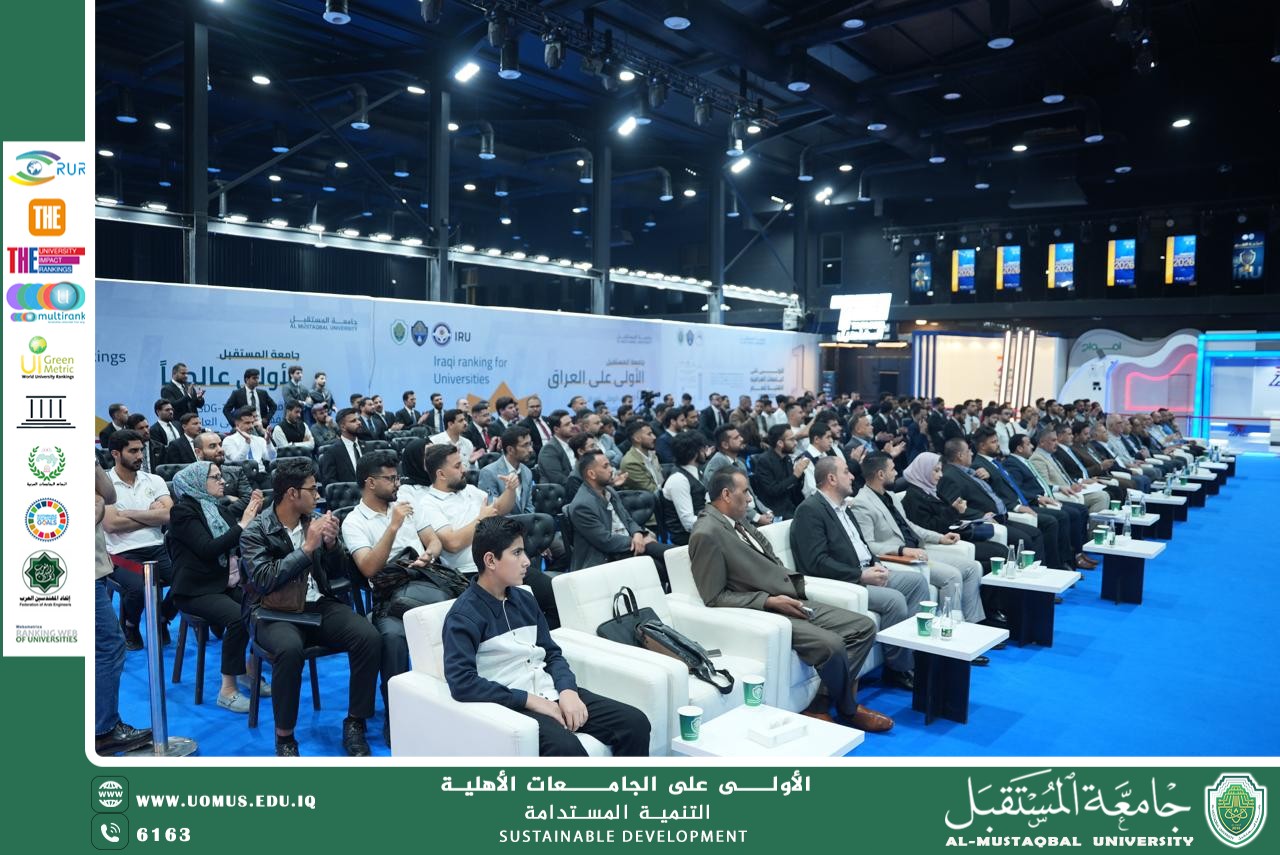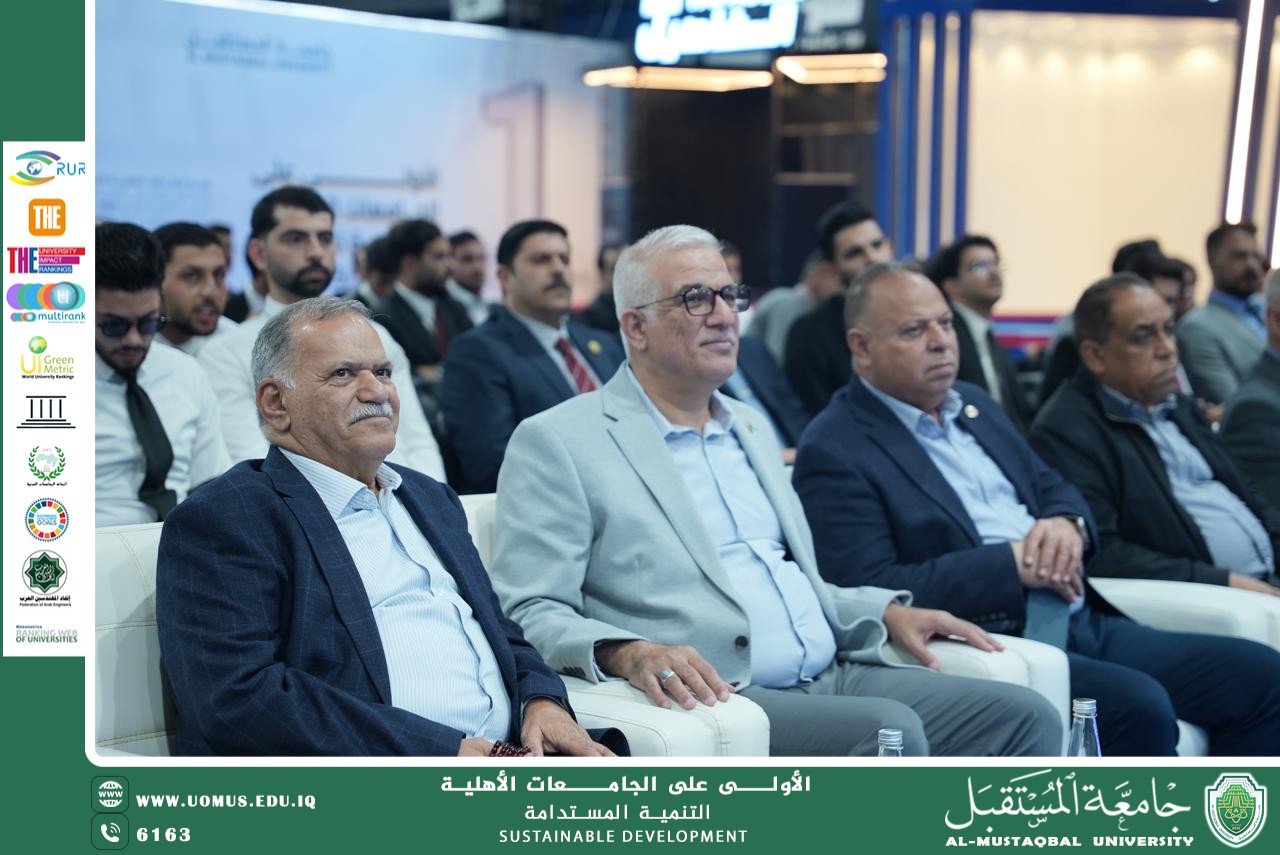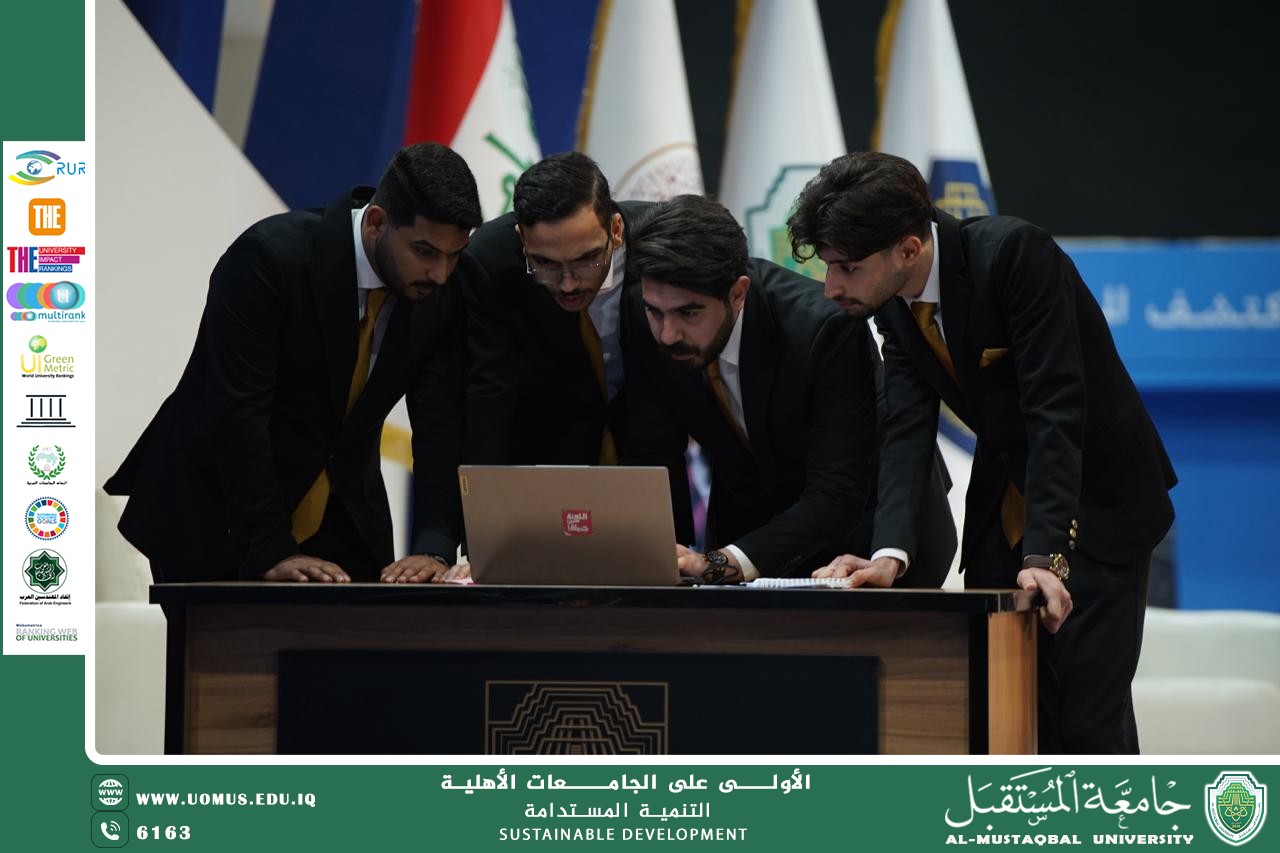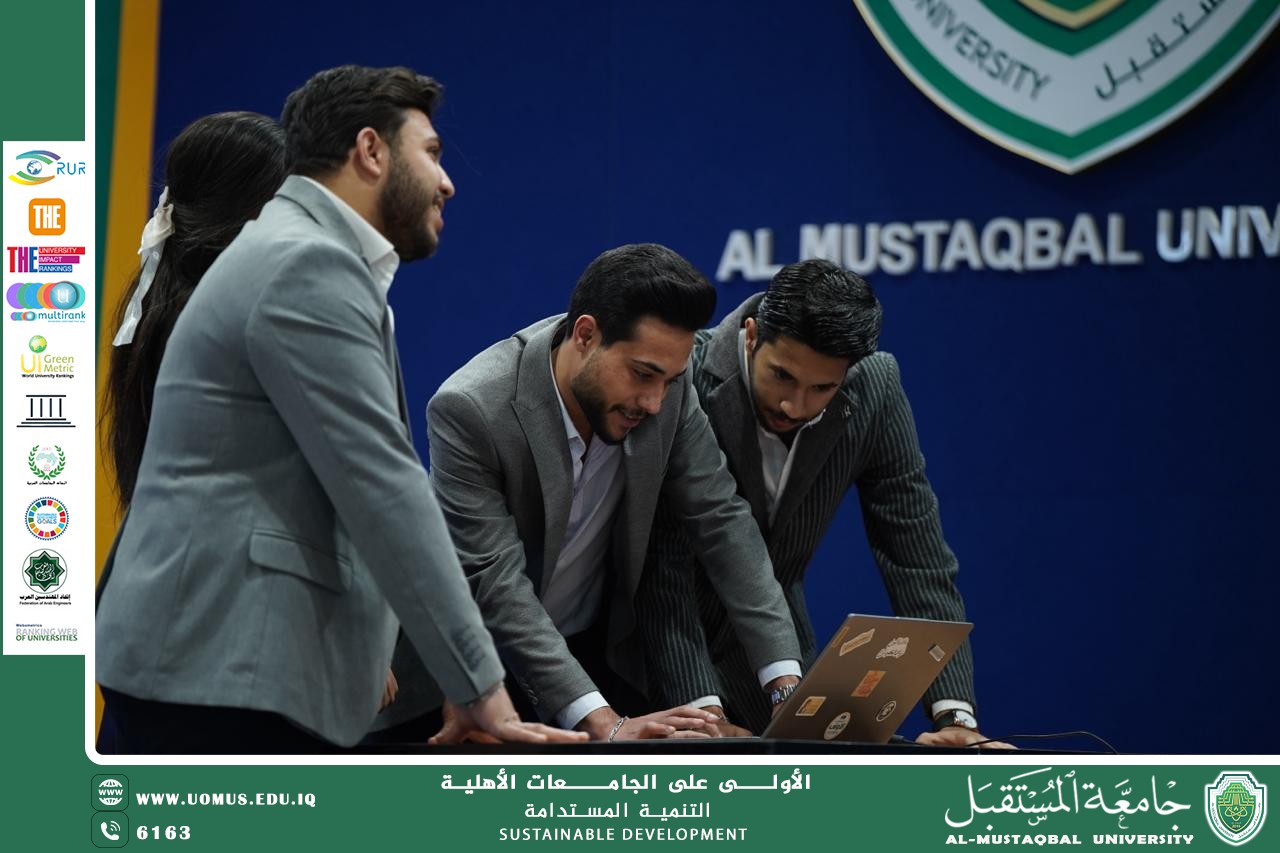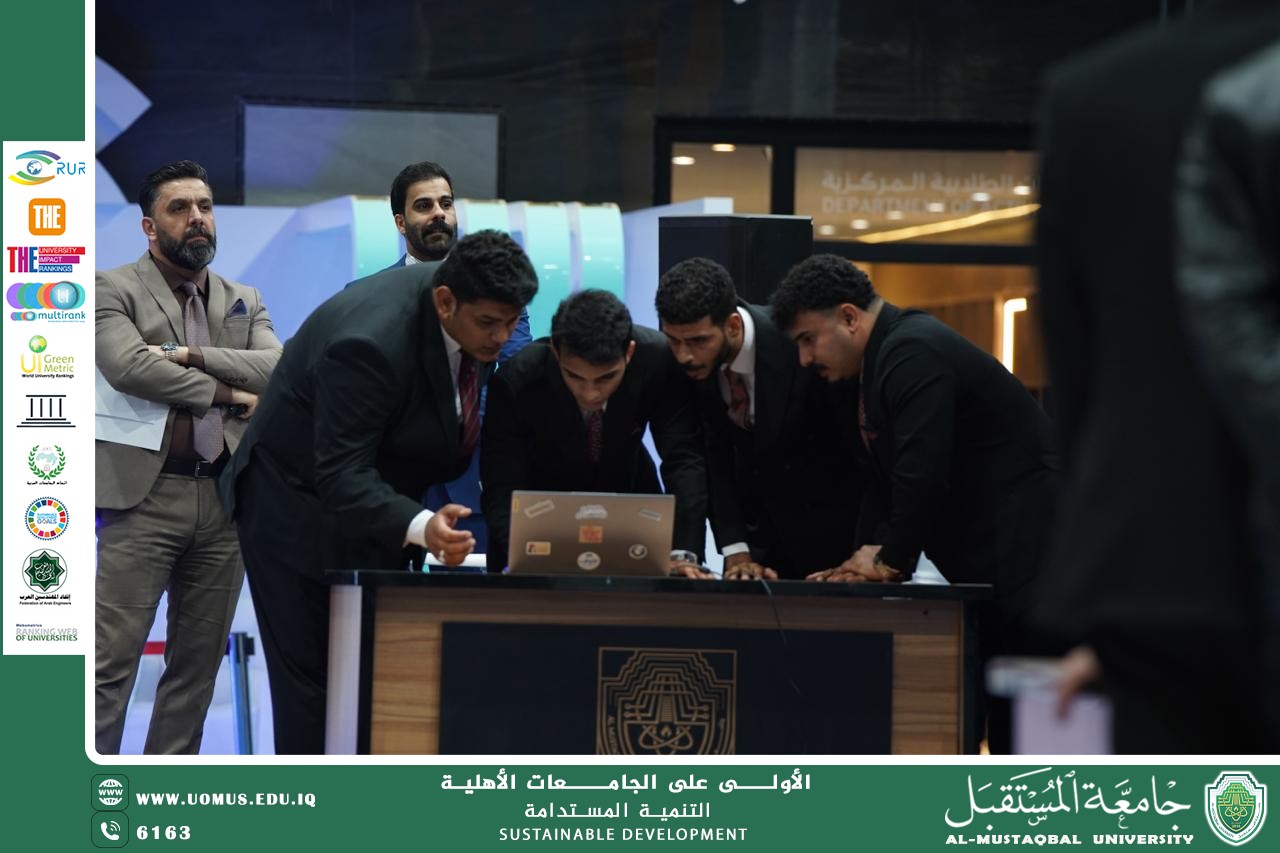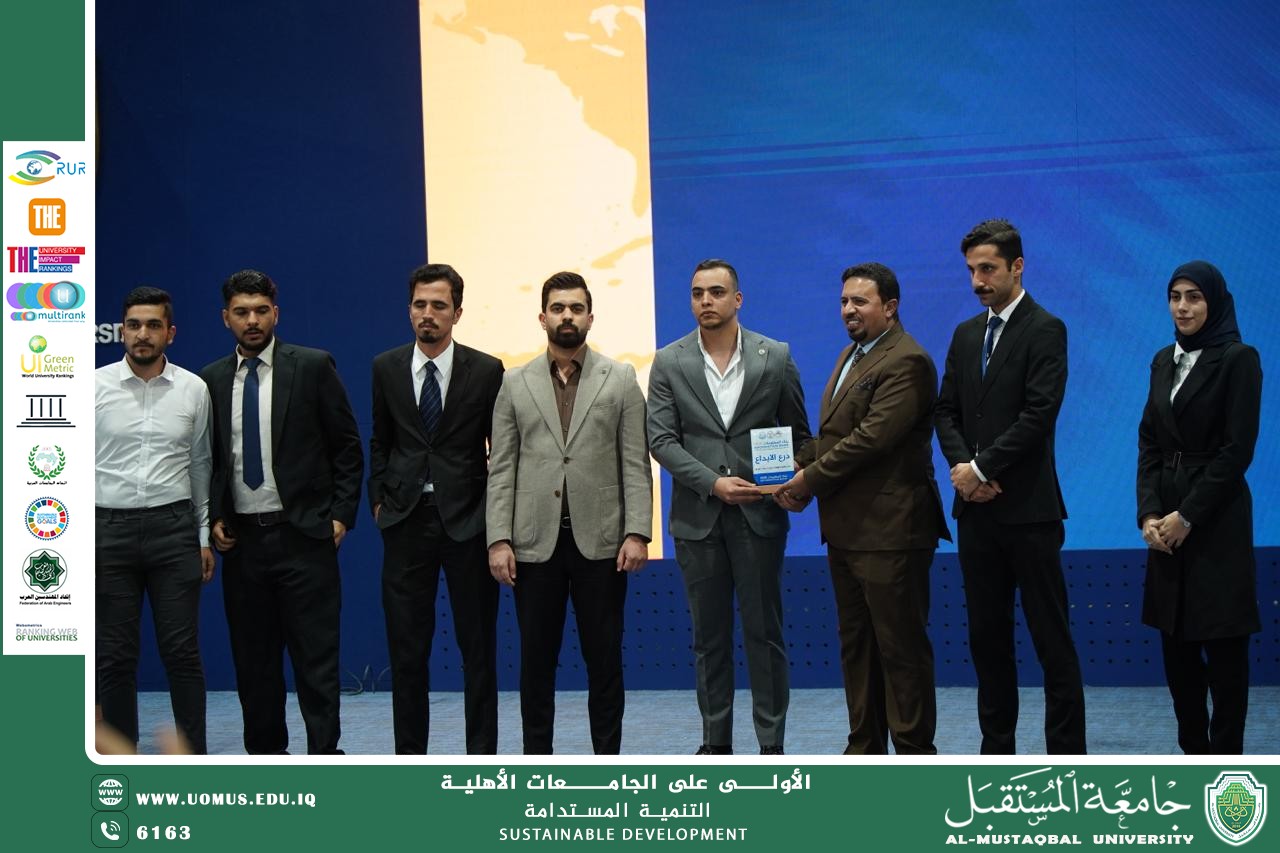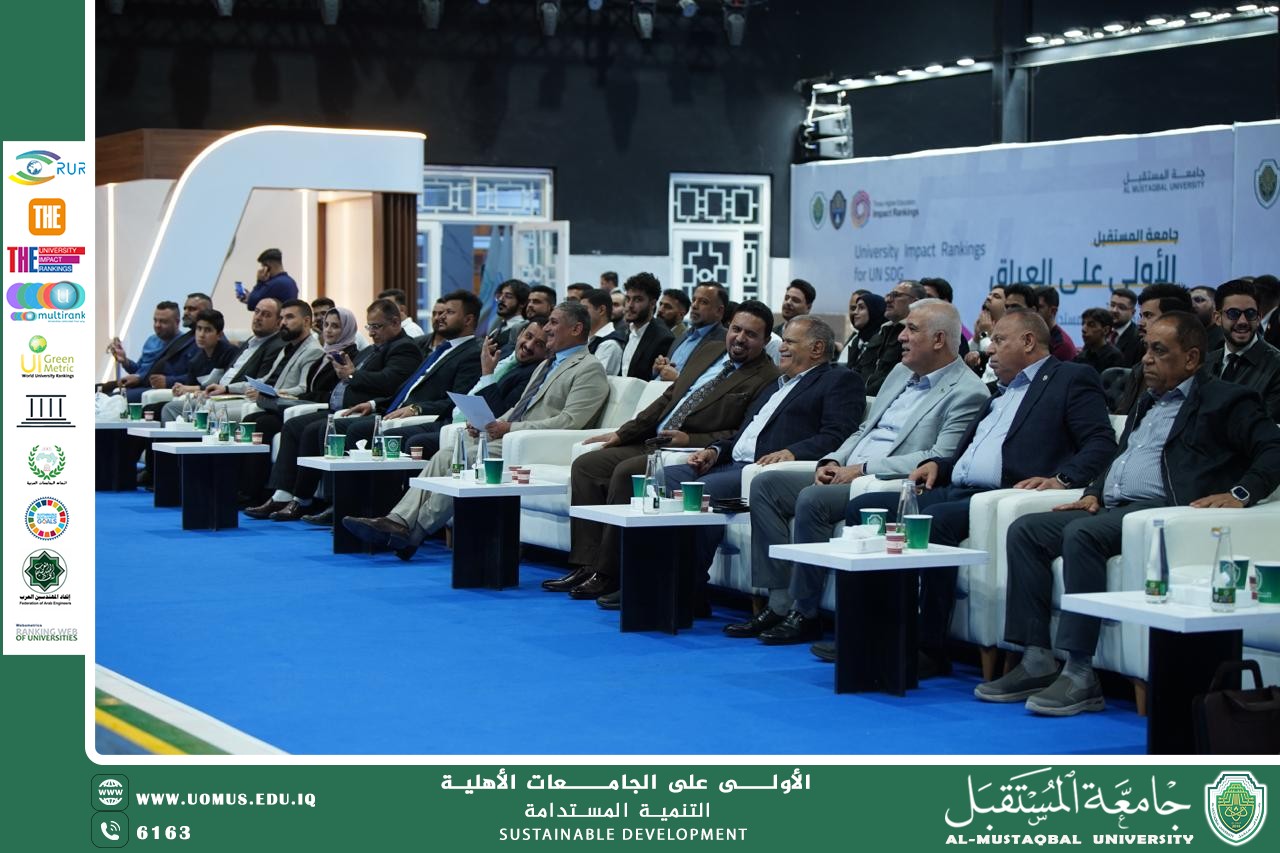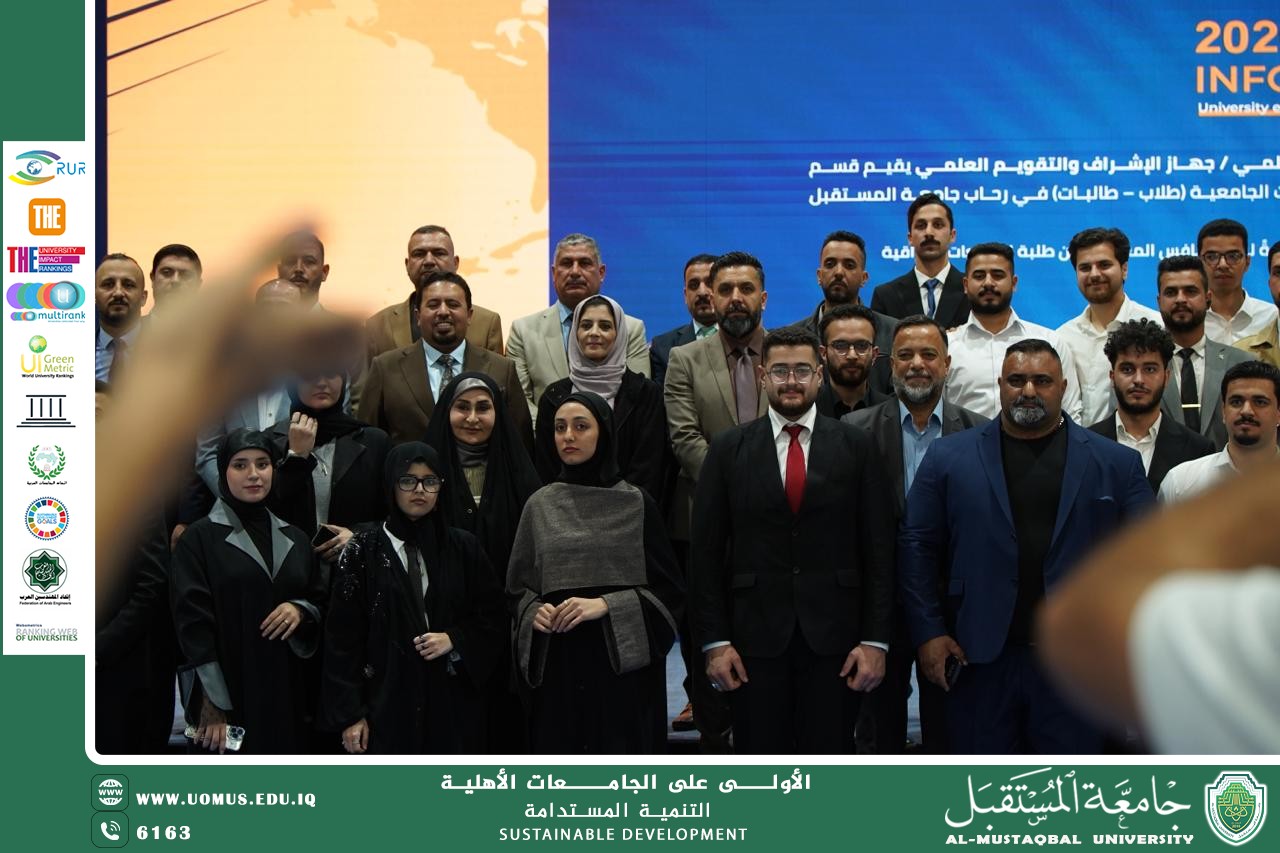
Al-Mustaqbal University hosted the 2026 Ministerial Information Bank Competition, organized under the patronage of the Ministry of Higher Education and Scientific Research / Supervision and Scientific Evaluation Authority, with the participation of (58) public and private universities from various Iraqi governorates, during the period from 22 to 24 February 2026.
Hosting this national event aligns with the University’s institutional direction toward supporting high-quality academic initiatives that contribute to assessing the efficiency of educational outcomes and enhancing students’ cognitive competencies. The competition was conducted within a structured and competitive environment based on approved scientific evaluation standards and overseen by a specialized ministerial committee.
The final results concluded with Al-Sibtain University for Medical Sciences securing first place, Al-Mustaqbal University achieving second place, and Wasit University ranking third, reflecting the advanced level of academic performance and intellectual competitiveness among participating institutions.
This achievement represents a clear indicator of the effectiveness of the University’s educational policies in developing analytical thinking skills, cognitive responsiveness, and teamwork—core competencies essential for building qualified human capital capable of contributing to national development pathways.
The organization and hosting of the competition align with Sustainable Development Goal 4 (SDG 4) – Quality Education, by supporting educational quality and strengthening learning outcomes. It also contributes to advancing Sustainable Development Goal 17 (SDG 17) – Partnerships for the Goals, through expanding cooperation and integration among higher education institutions at the national level.
This participation further reinforces Al-Mustaqbal University’s position within the Iraqi higher education system as an active institution committed to developing an academic environment grounded in quality, excellence, and knowledge sustainability, thereby supporting educational reform efforts and sustainable development at both institutional and national levels.